Handcrafted-PCG hybrid
Lemma: Hand-author content at the room/tile level. Procedurally generate the layout connecting them. Players experience variety; you author at fixed cost. Avoids the "procedurally-generated mush" problem without paying full hand-authored content tax.
What it solves
Two extremes of level design have known problems:
- Fully hand-authored: every level is great, but the content cost is massive and replayability dies once you've seen everything.
- Fully procedural: infinite content, but the per-moment quality drops because the generator can't match a designer's eye for puzzles, set-pieces, narrative beats.
The hybrid splits the difference: procedural at one level of abstraction, hand-crafted at another. Specifically, author the content units (rooms, tiles, encounters), procedurally choose which units appear and how they connect.
This is now the dominant pattern in modern roguelites. Once you see it, you see it everywhere.
Variants across games
| Game | What's hand-authored | What's procedural | Why this works |
|---|---|---|---|
| Sparklite | Individual tiles: vault rooms, furnace mini-dungeons, mine-shaft trap gauntlets, NPC encounters | The biome layout: which tiles get arranged where, on each death-shuffle | Devs explicitly rejected procedural puzzles; author a small library of tiles, shuffle each run |
| Warframe | Tile-sets per faction (Grineer asteroid, Corpus ship, Infested ship, Earth forest, …) | Which tiles connect into the mission layout each run | Mission type (Survival, Defense, …) defines objective; tile-set defines aesthetic; layout is procedural |
| Slay the Spire | Each fight, event, shop, rest is a hand-authored encounter | The DAG map of which encounters appear on which floor, in what branching pattern | Encounters are individually tuned; the player's path through them is the procedural axis |
| Moonlighter 2 | Hand-tuned encounter rooms (chests, events, blacksmiths, bosses) per biome | The dungeon map DAG: which node types appear in what arrangement | Same trick as Spire's map but in 3D action context; node-type variety drives perceived depth |
| Cult of the Lamb | Per-biome room templates (Darkwood / Anura / Anchordeep / Silk Cradle), each authored as a fixed-geometry combat arena | The DAG layer above the room library: which room type spawns at each node, plus the higher-level Land sequence | Two-layer hybrid: rooms ≈ Isaac, plus a Spire-style map sitting above the room pool |
Visual contrast: a hand-authored unit from each game
| Sparklite tile | Warframe tile-set | Slay the Spire encounter | Moonlighter 2 dungeon map | Cult of the Lamb room |
|---|---|---|---|---|
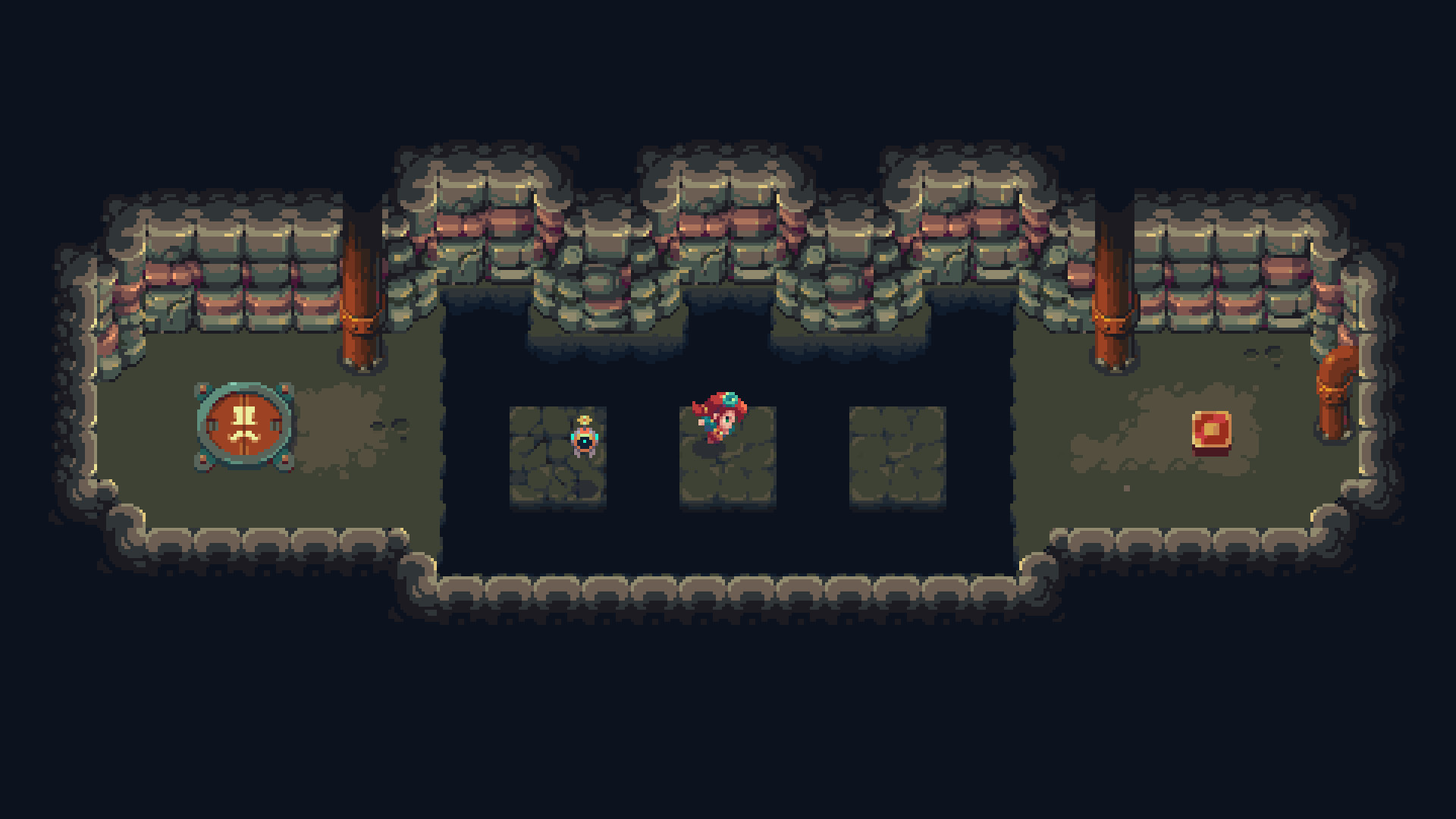 | 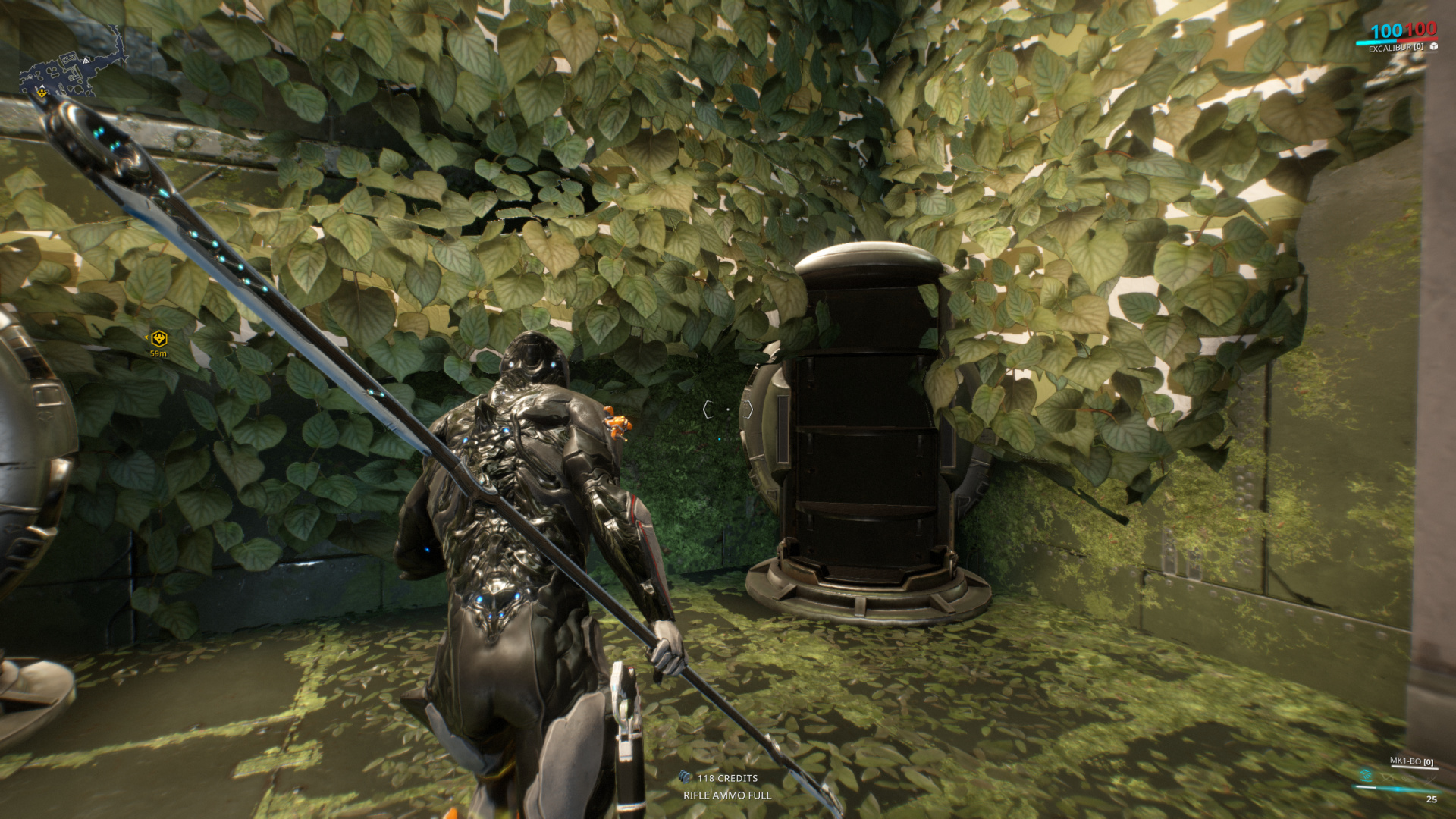 | 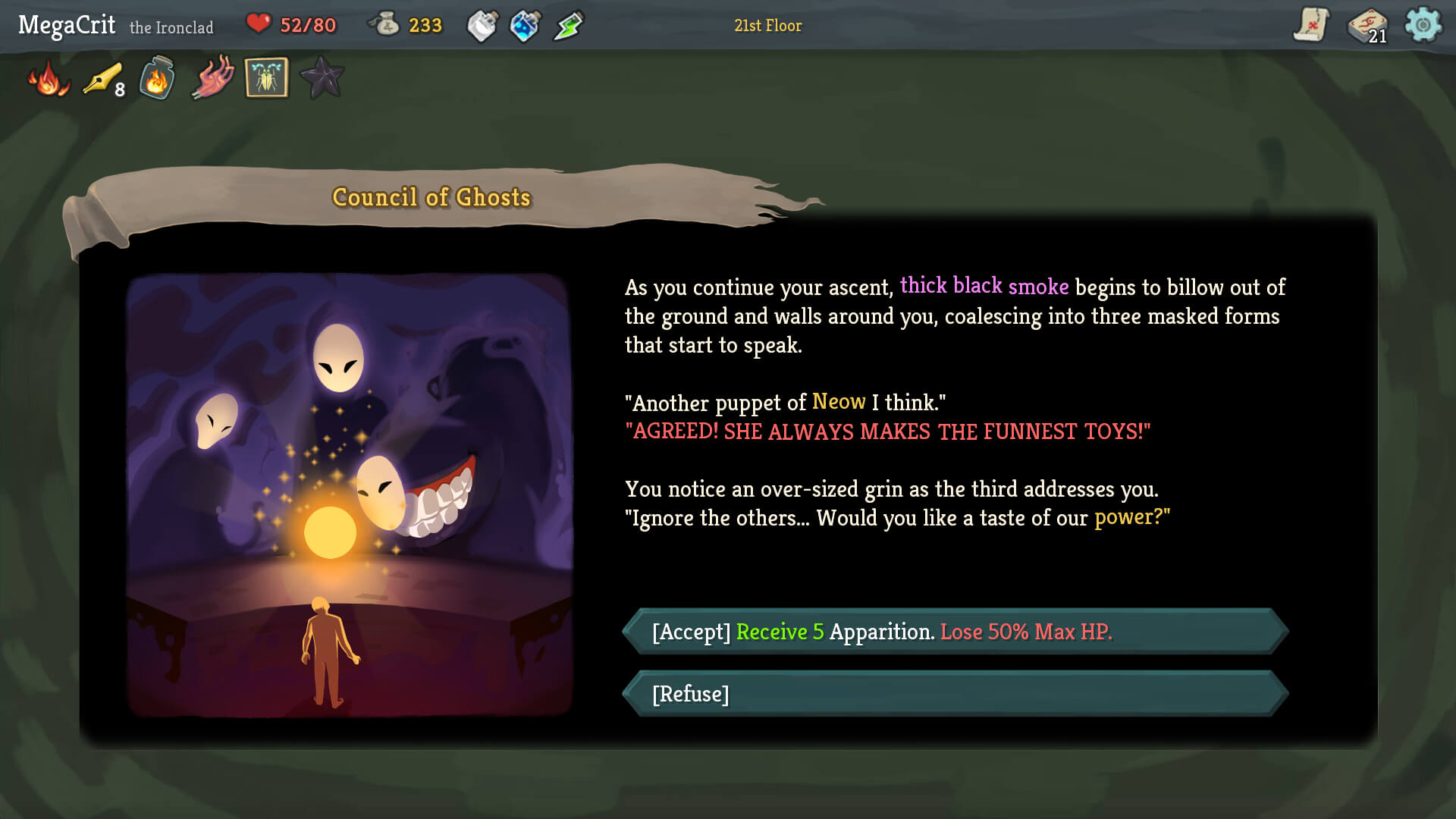 | 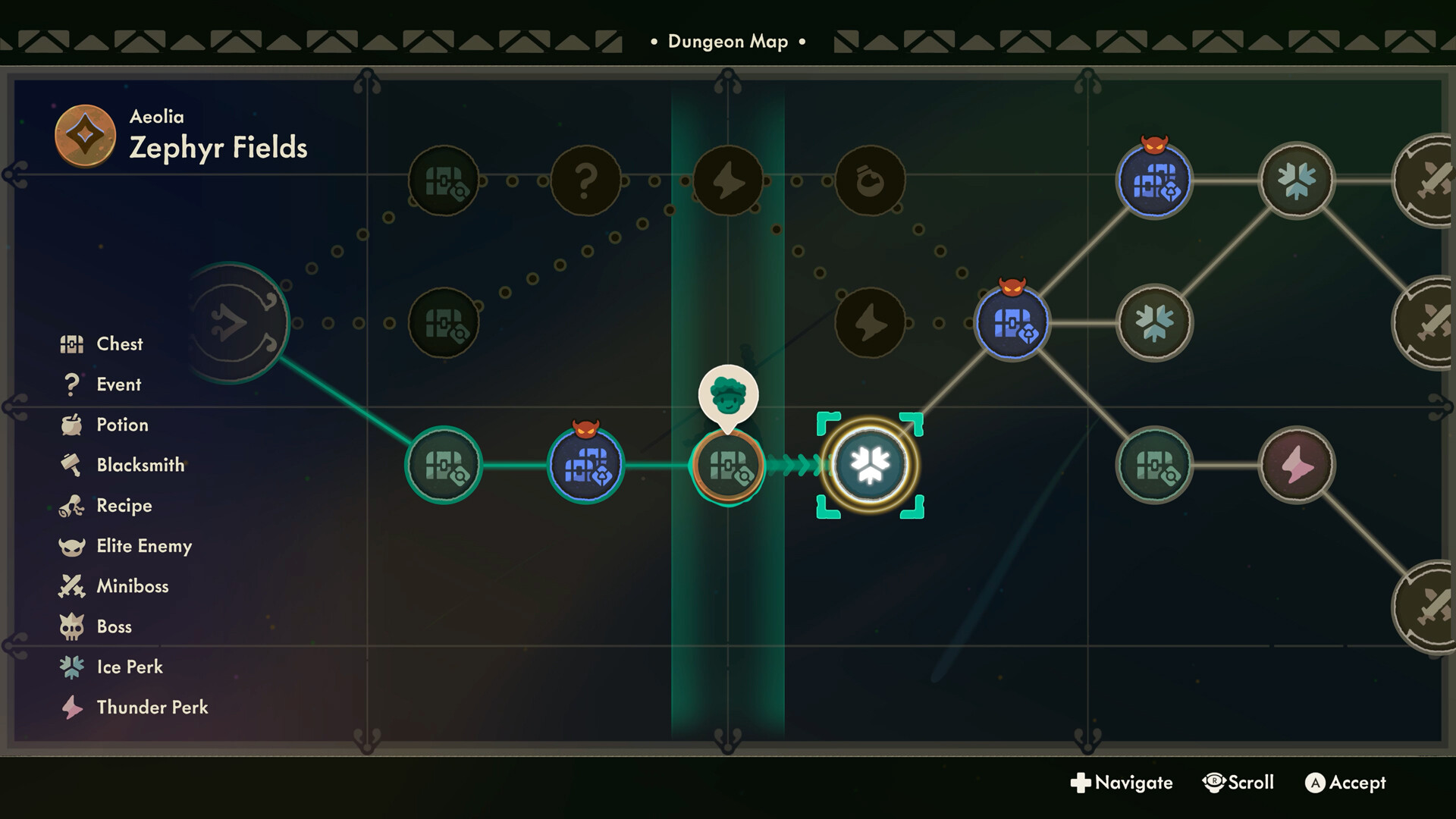 | 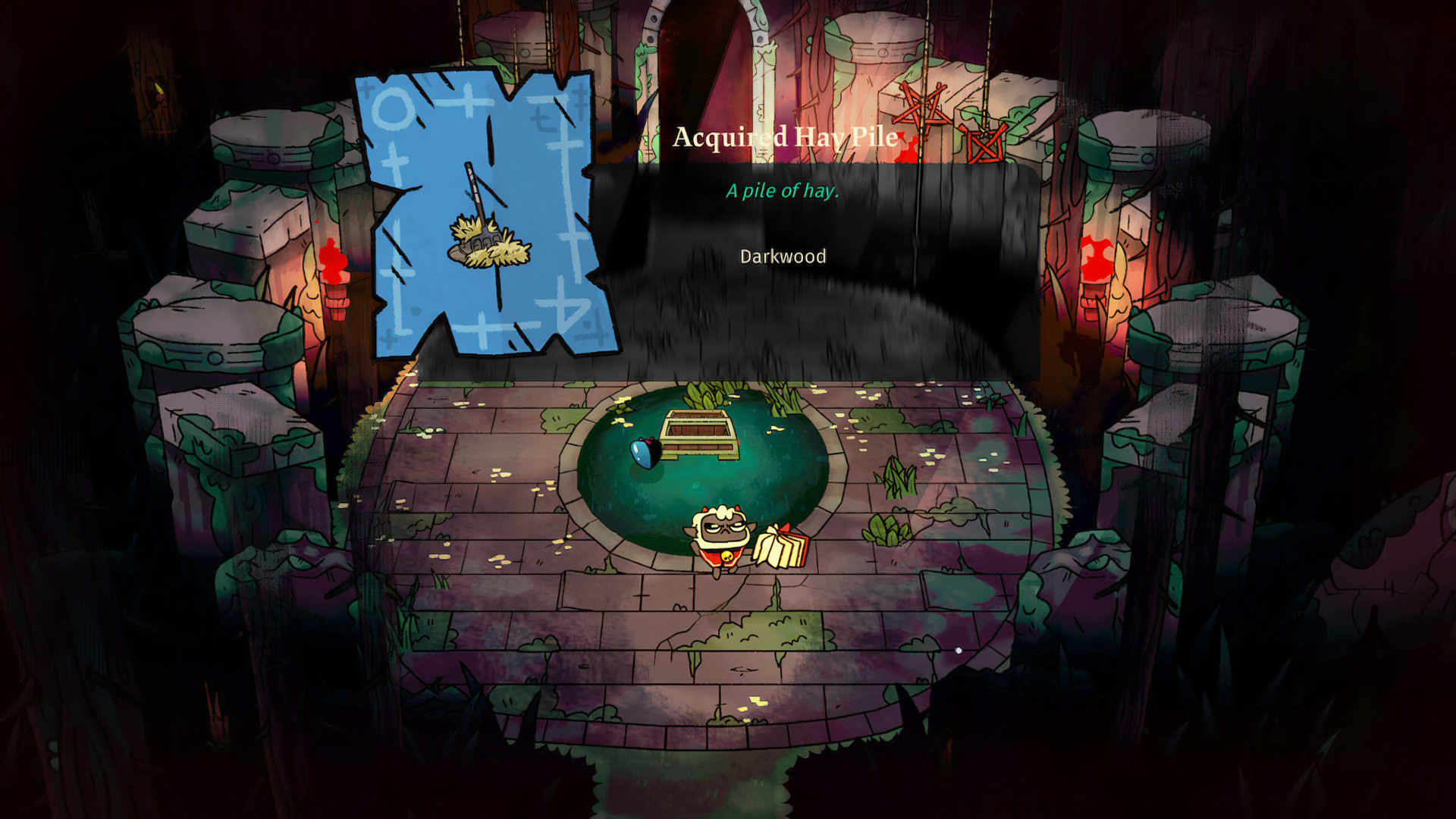 |
| One trap-gauntlet tile, hand-authored, dropped into a randomized biome layout | A Corpus tile, hand-authored, connected procedurally with other tiles into a mission | One narrative event encounter, hand-authored, slotted procedurally into a map node | Each map node hand-authored; the DAG arrangement chosen procedurally per descent | One Darkwood room template: fixed arena, biome-specific enemy mix; shuffled per Crusade and stitched by the DAG layer above |
When to use this pattern
- Roguelites, roguelikes, and any game where you want runs to feel different.
- Live-service games that need to ship infinite content without infinite content budget.
- Games where you want player agency over the run's shape but not its content quality.
- Anywhere full PCG would break a critical type of content (e.g. puzzles, narrative beats, set-piece encounters).
The pattern requires:
- A clean unit of authoring: a tile, a room, an encounter, that's small enough to author many of.
- A layout layer with rules for how units can be combined (DAG edges, tile-set adjacency, biome zones).
- Variety at the unit level, or the procedural shuffling will feel hollow.
Pitfalls
- Too few units. Sparklite gets criticized for this: the same enemy-room types appear in every biome, just rearranged. Players notice. Either author more tile variety up front (expensive) or use tile modifiers (different enemy spawns, lighting, hazards on the same base tile) to multiply effective content cheaply.
- Procedural connections that produce dead-end runs. Edge case: the layout generator produces an objectively impossible / boring path. Constrain the generator (Spire fixes Floor 6 = Treasure, Floor 9 = Rest in Act 1) so the player always gets some shape they can navigate.
- Inconsistent narrative. If your hand-authored units have story or character beats, procedural ordering breaks them. Either keep narrative in non-procedural rails (Spire keeps story to bookend cutscenes) or accept that narrative is fragmented (Warframe's mission flavor).
- Player blindness to the procedural layer. If the layout shuffle is too subtle (Sparklite's biome reshuffle), players miss the variety entirely. Show the player that something is randomized: a visible map (Spire) or visible biome reshuffle effect (Sparklite's "fracture" animation) helps.
Adjacent patterns
branching-dag-map: Spire's specific layout structure. Visible to the player, partial-info path planning.tile-shuffled-world: Sparklite's specific implementation. Less visible, but cheap to ship.
Why this matters as a design lesson
The hybrid is the modern replayability default. Pure-PCG roguelikes (NetHack, ADOM) feel dated to most players because their generated content can't compete with hand-tuned moments. Pure-handcrafted games (most AAA) burn out quickly because once you've seen the content, you've seen the game.
Three different games, a small indie roguelite, a 12-year live-service shooter, a deckbuilder, converge on the same trick. That's not a coincidence; it's the pattern winning.
For any game with a "runs / sessions / playthroughs" shape, the question to answer up front is:
- What's my unit of authoring?
- What's my layout layer?
- How much variety per unit can I afford?
Get those right and the game ships with replay value baked in.