game-mechanicsHow games actually work.
Games, dissected. Reward loops, world building, ludonarrative dissonance, the patterns that show up across genres. Not a wiki, a designer's reference, written from play.
Games, dissected. Reward loops, world building, ludonarrative dissonance, the patterns that show up across genres. Not a wiki, a designer's reference, written from play.
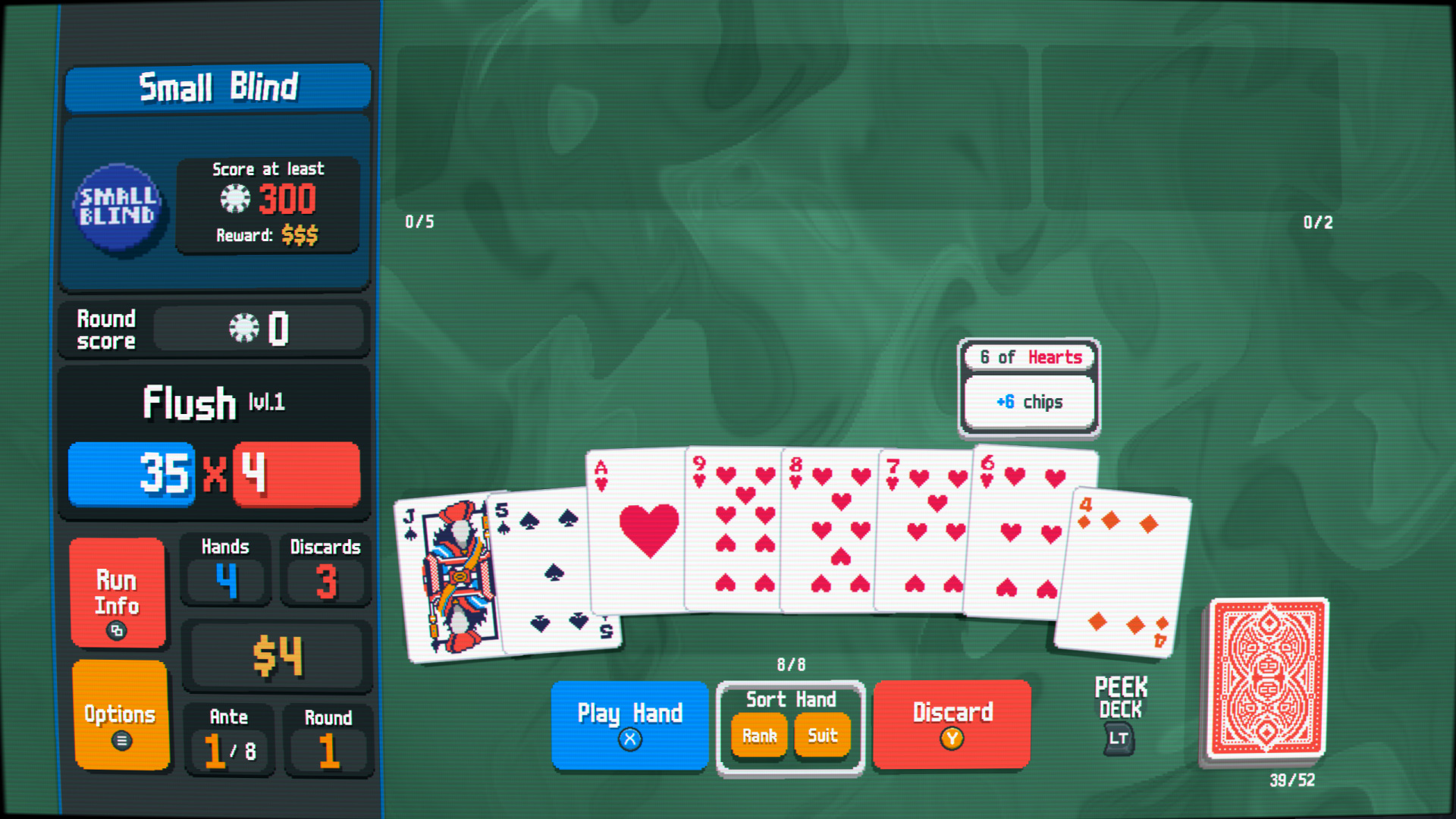
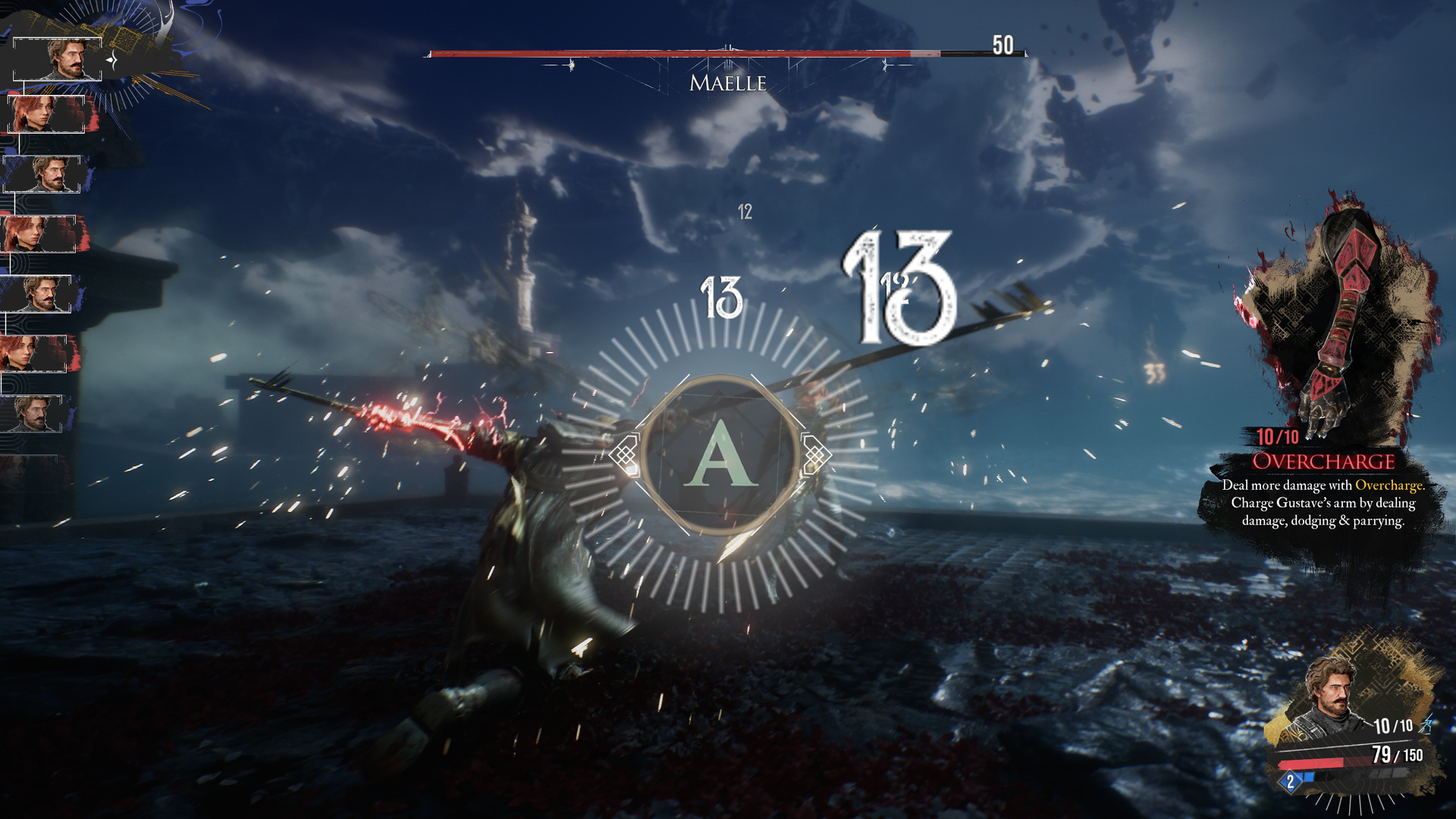
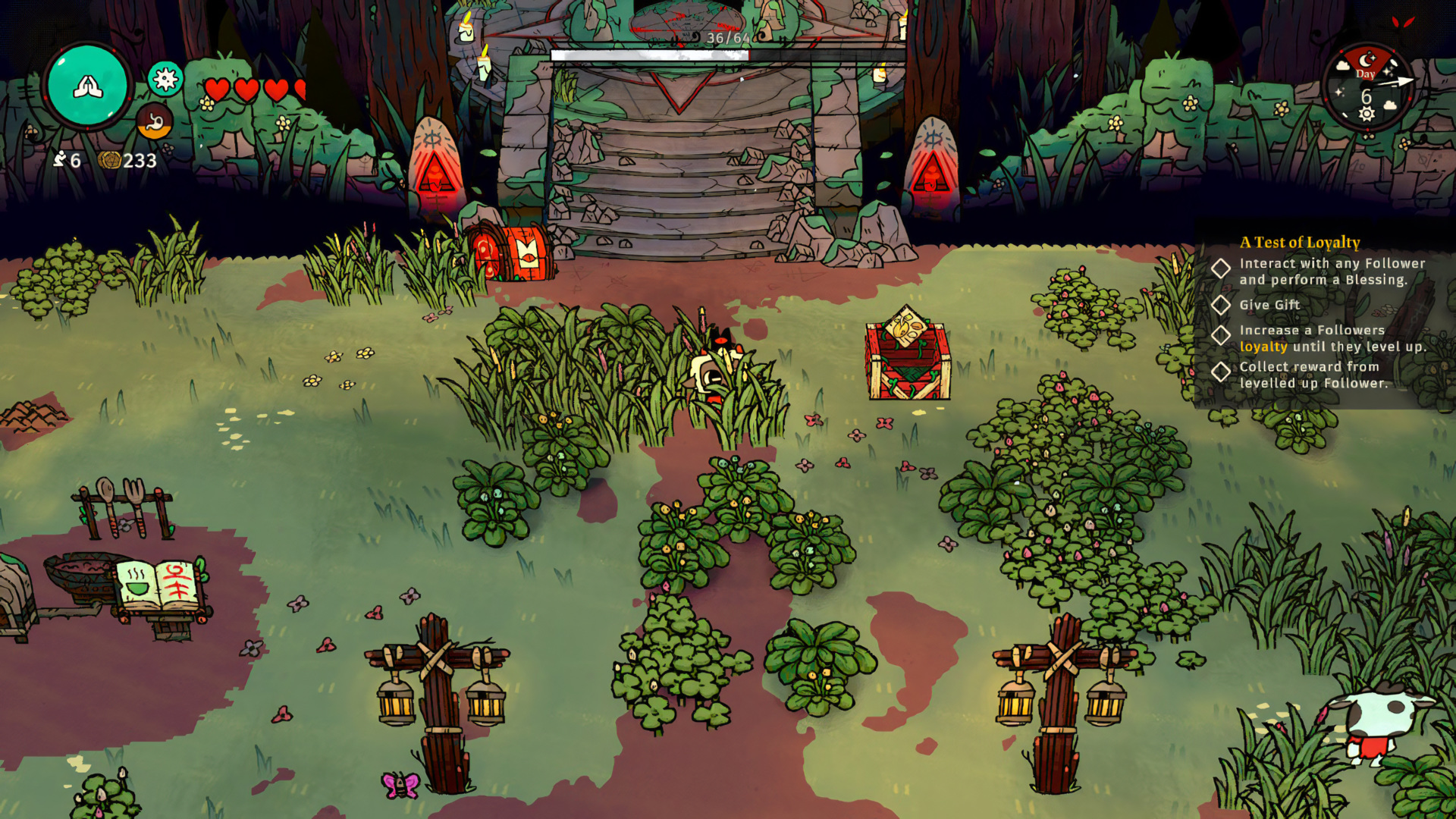
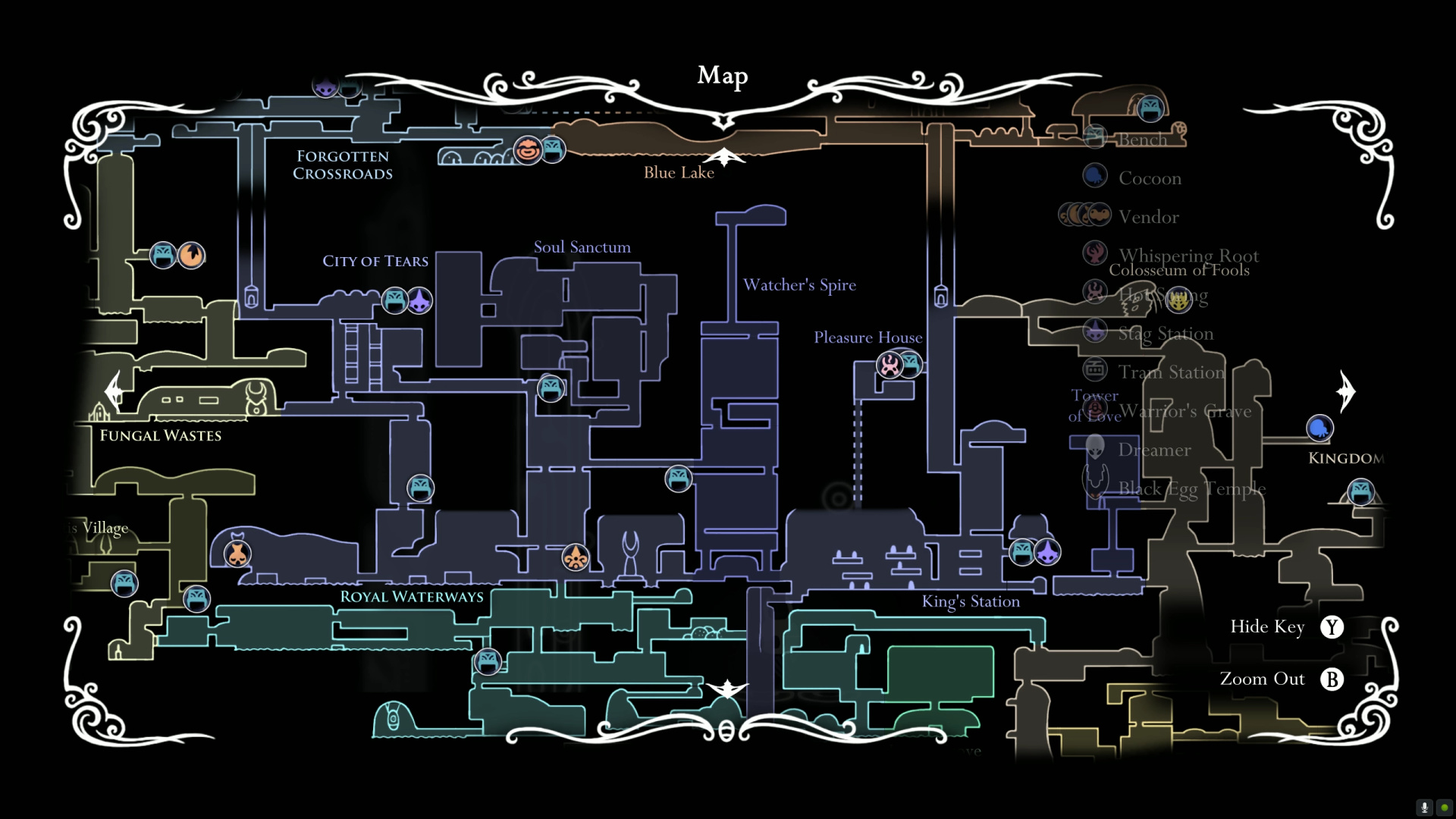
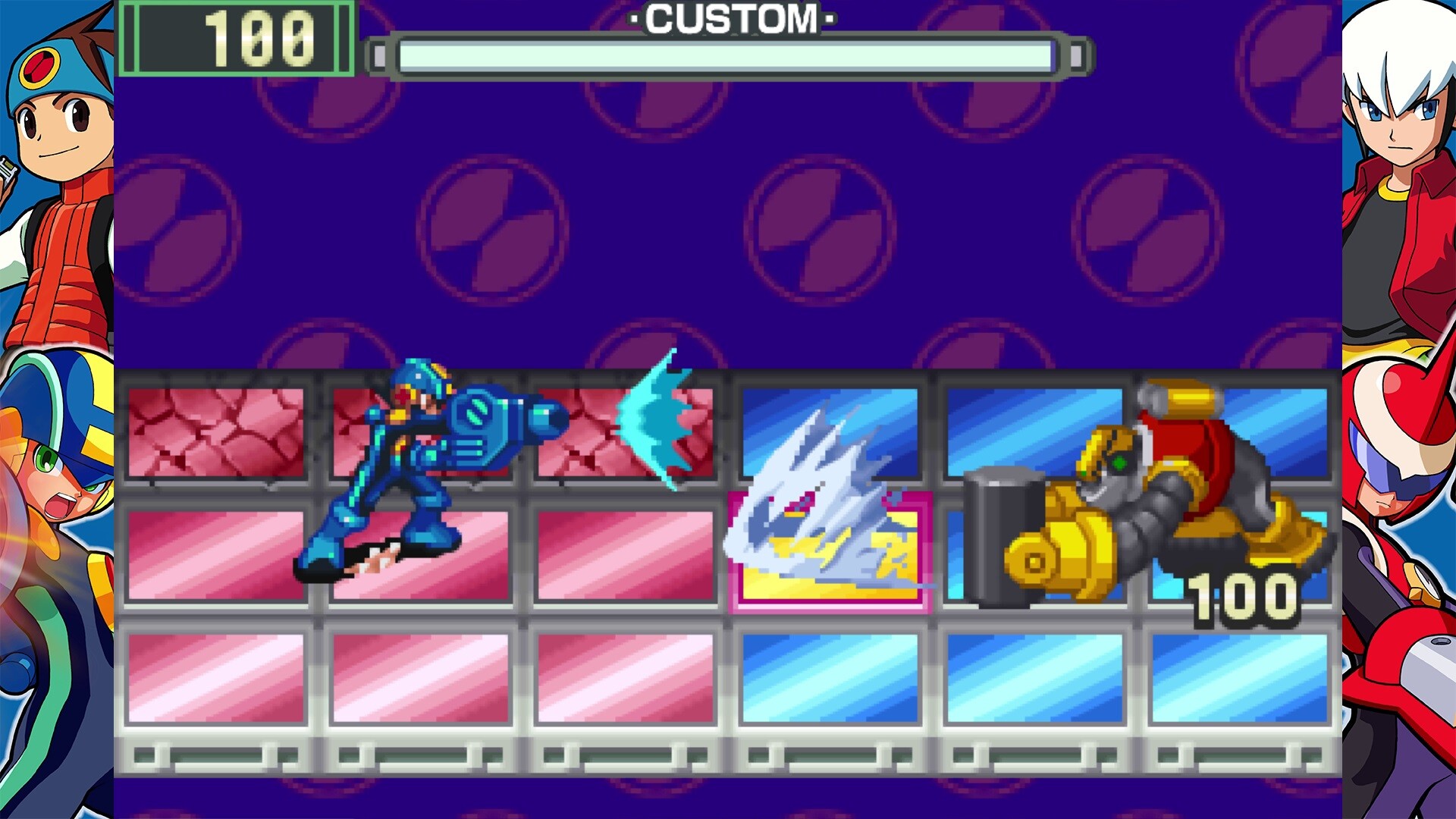
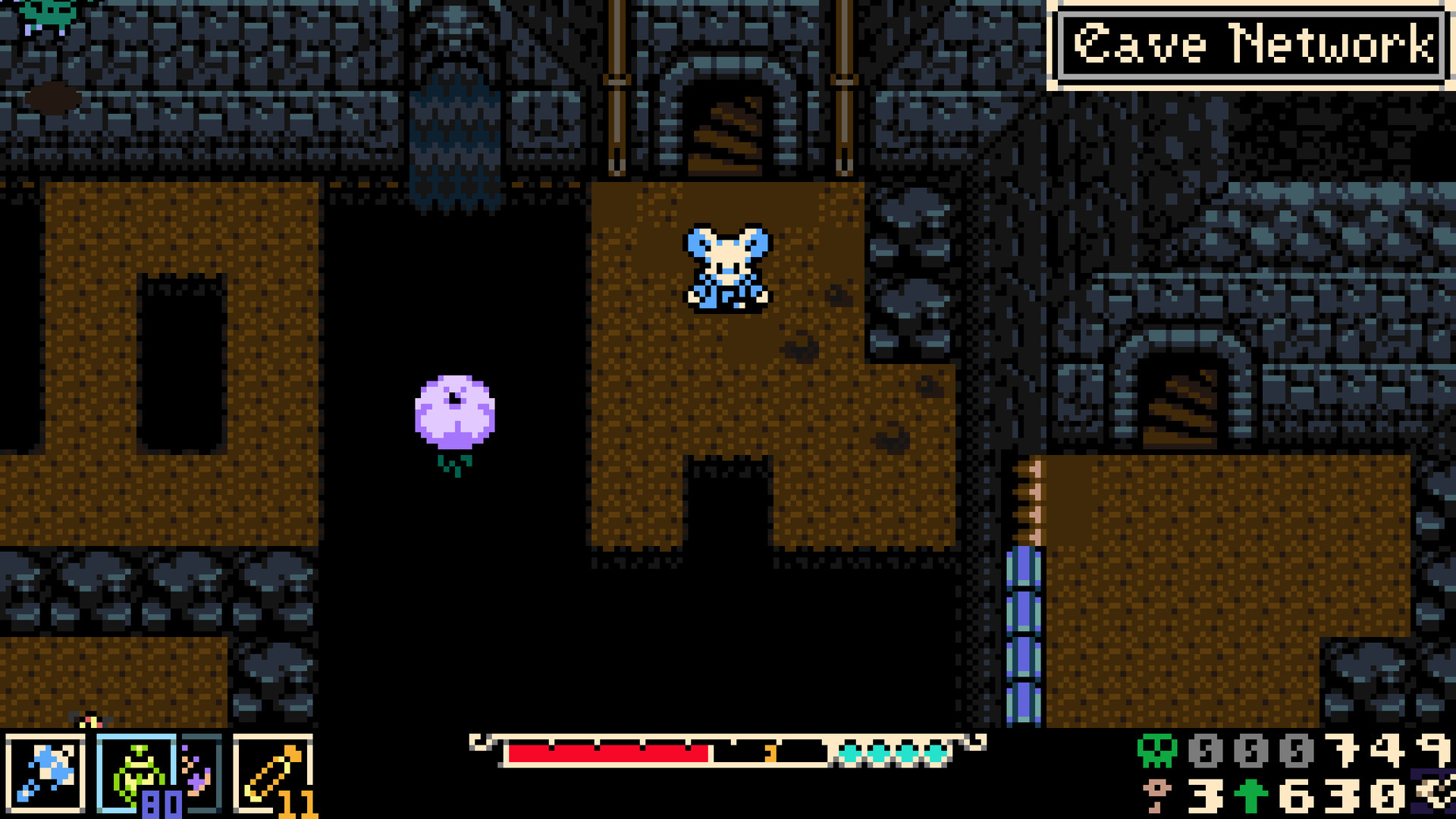
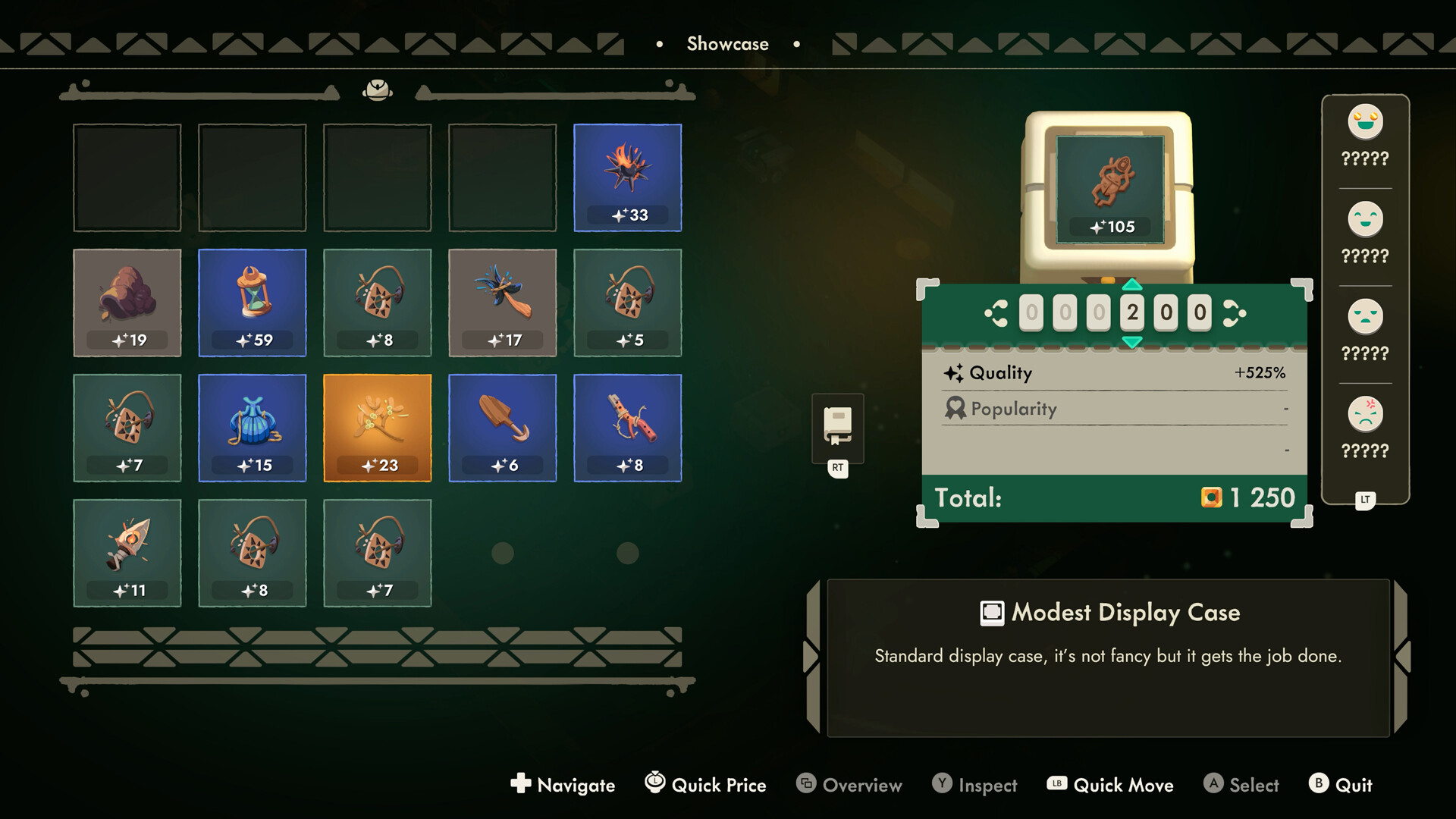
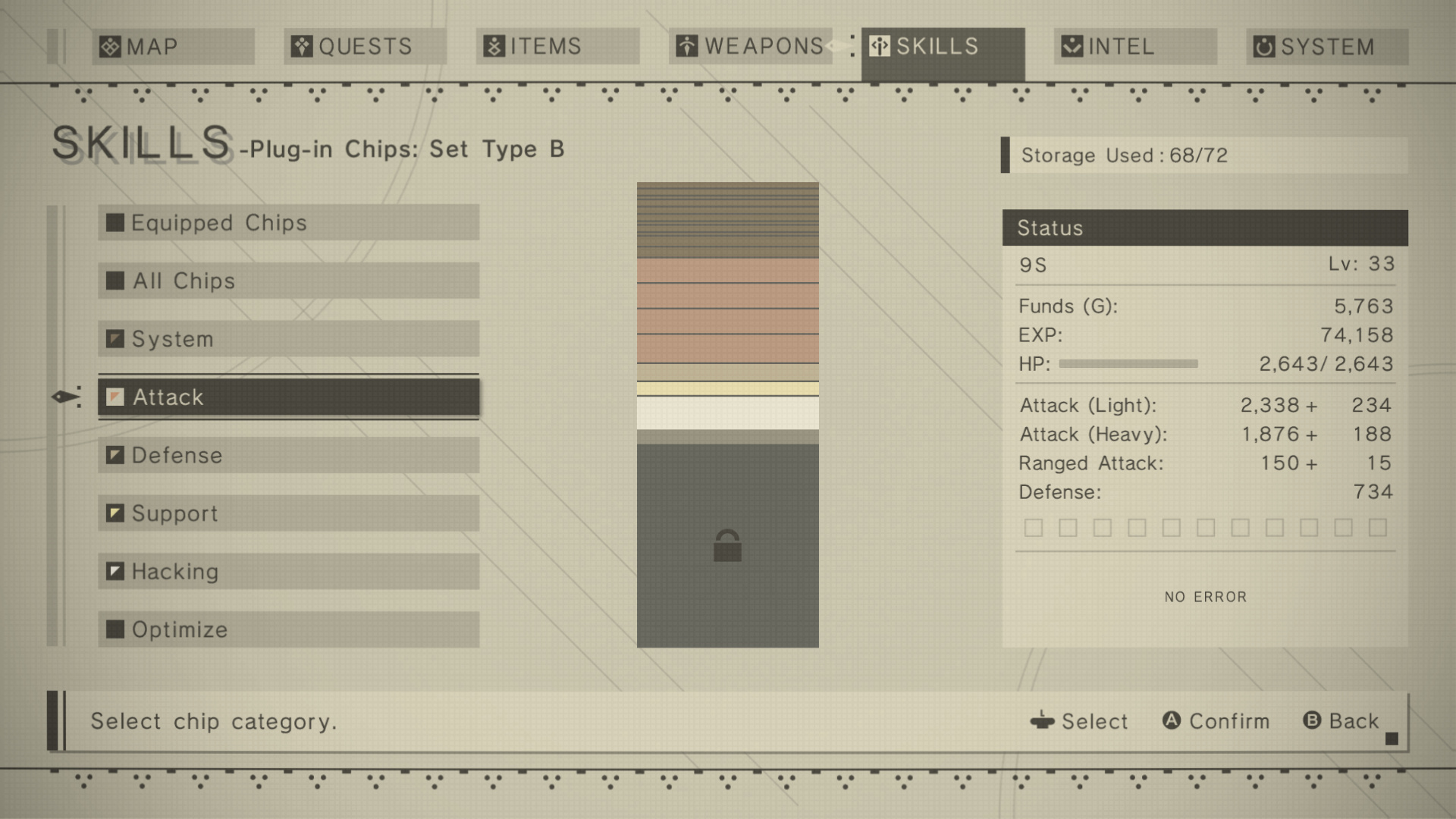
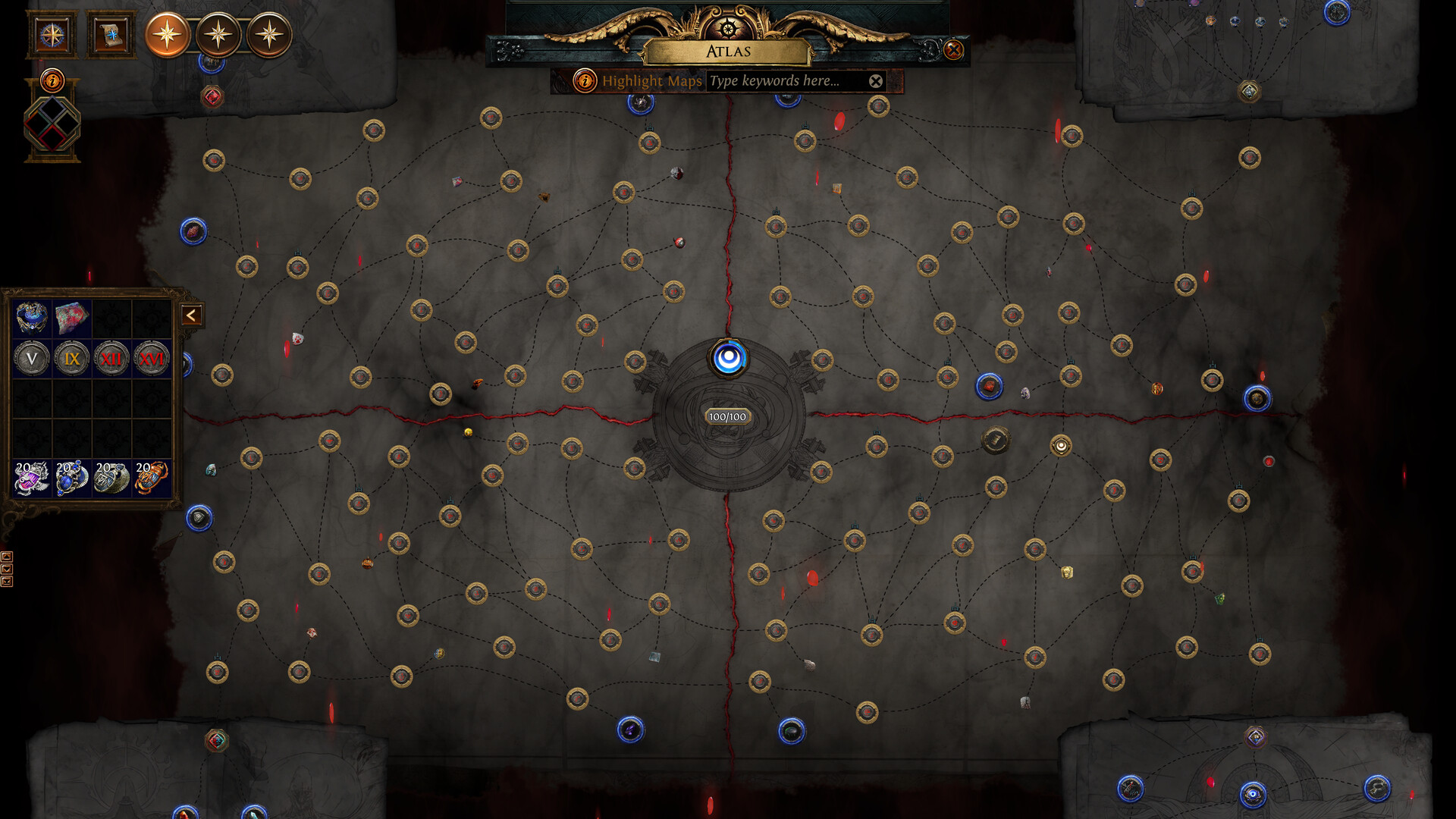
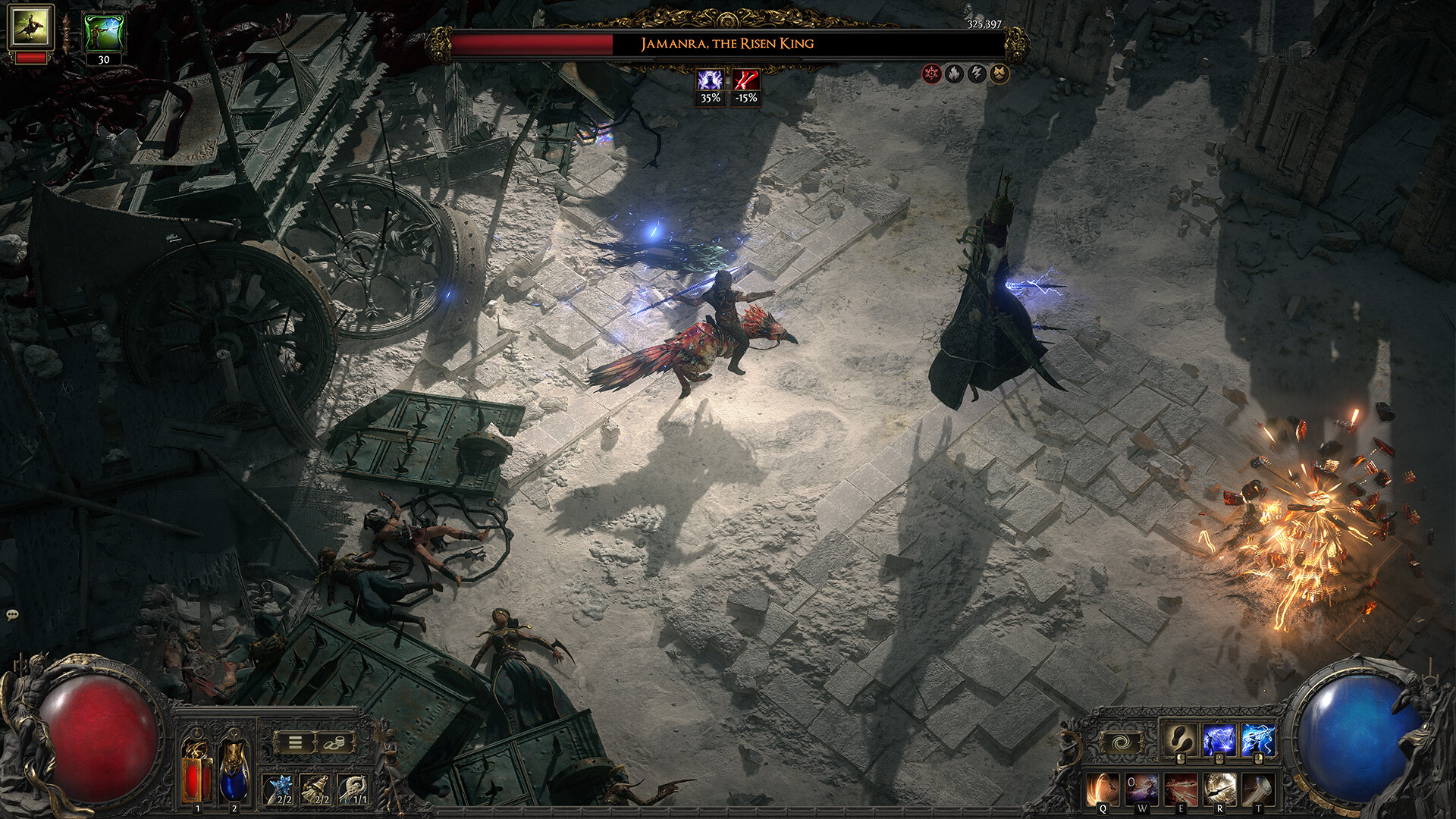
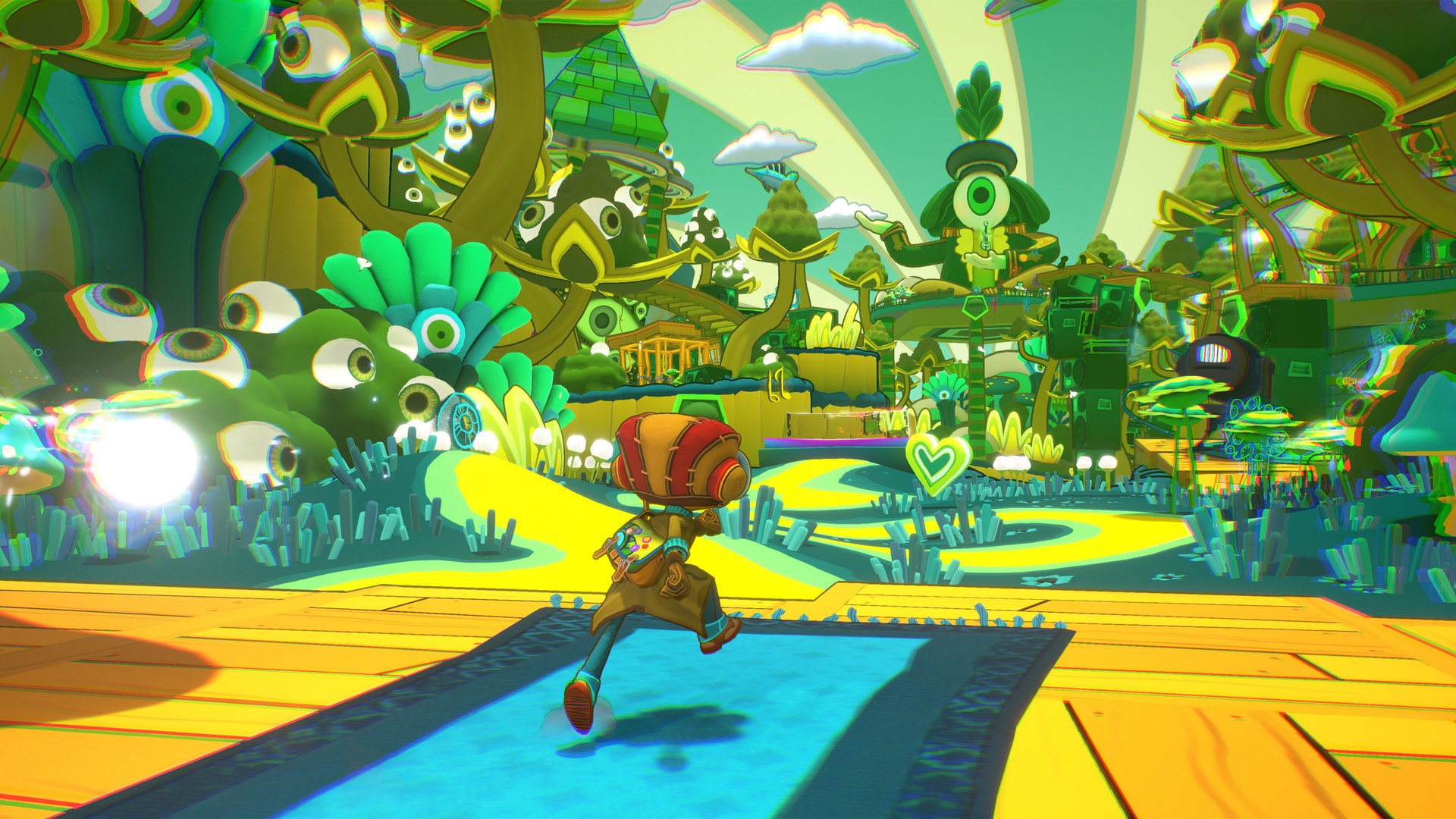
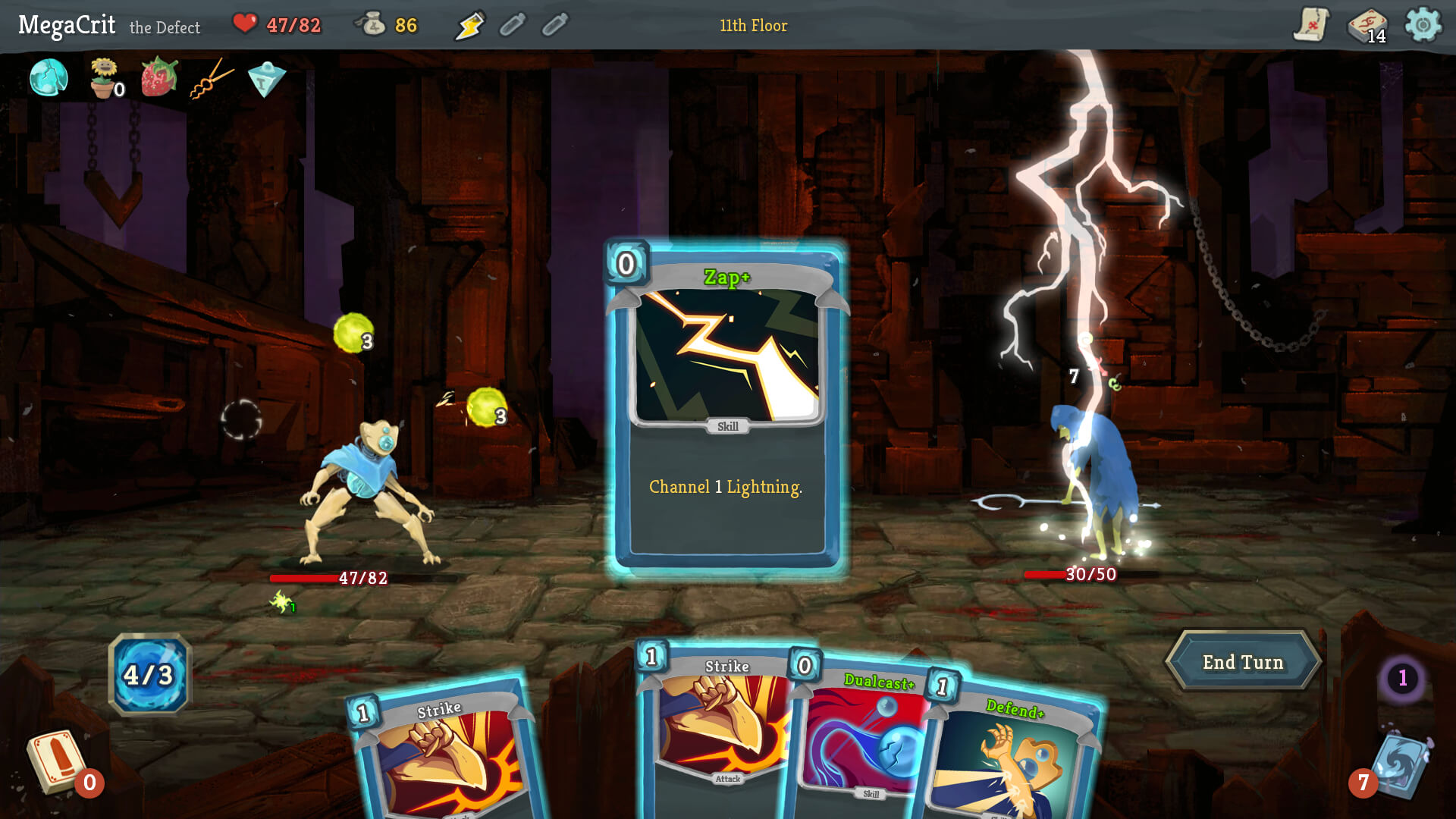
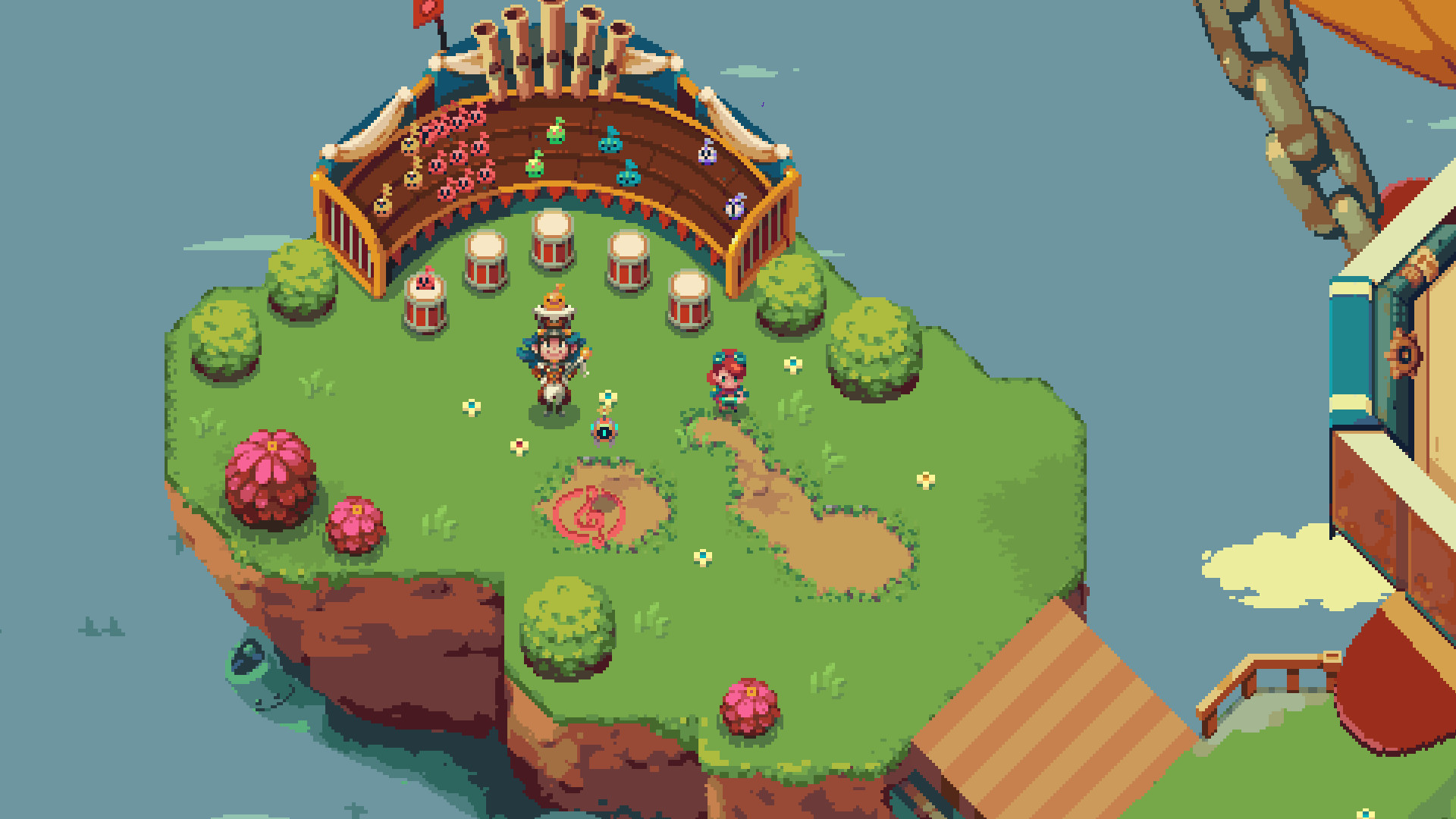
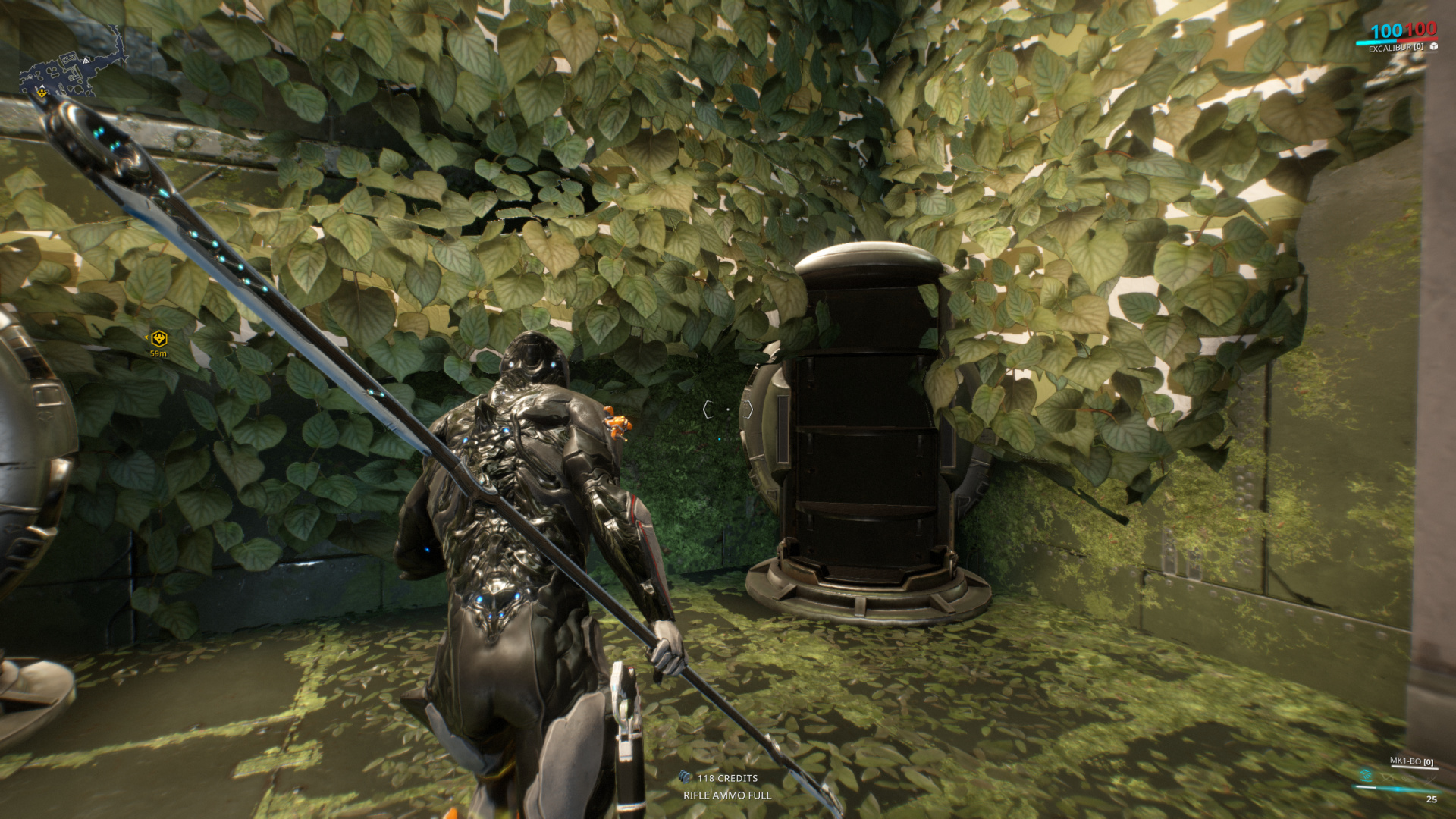
Most games in this library have a loadout-as-budget, a system that forces real trade-offs between competing build directions. Same design problem, totally different math.
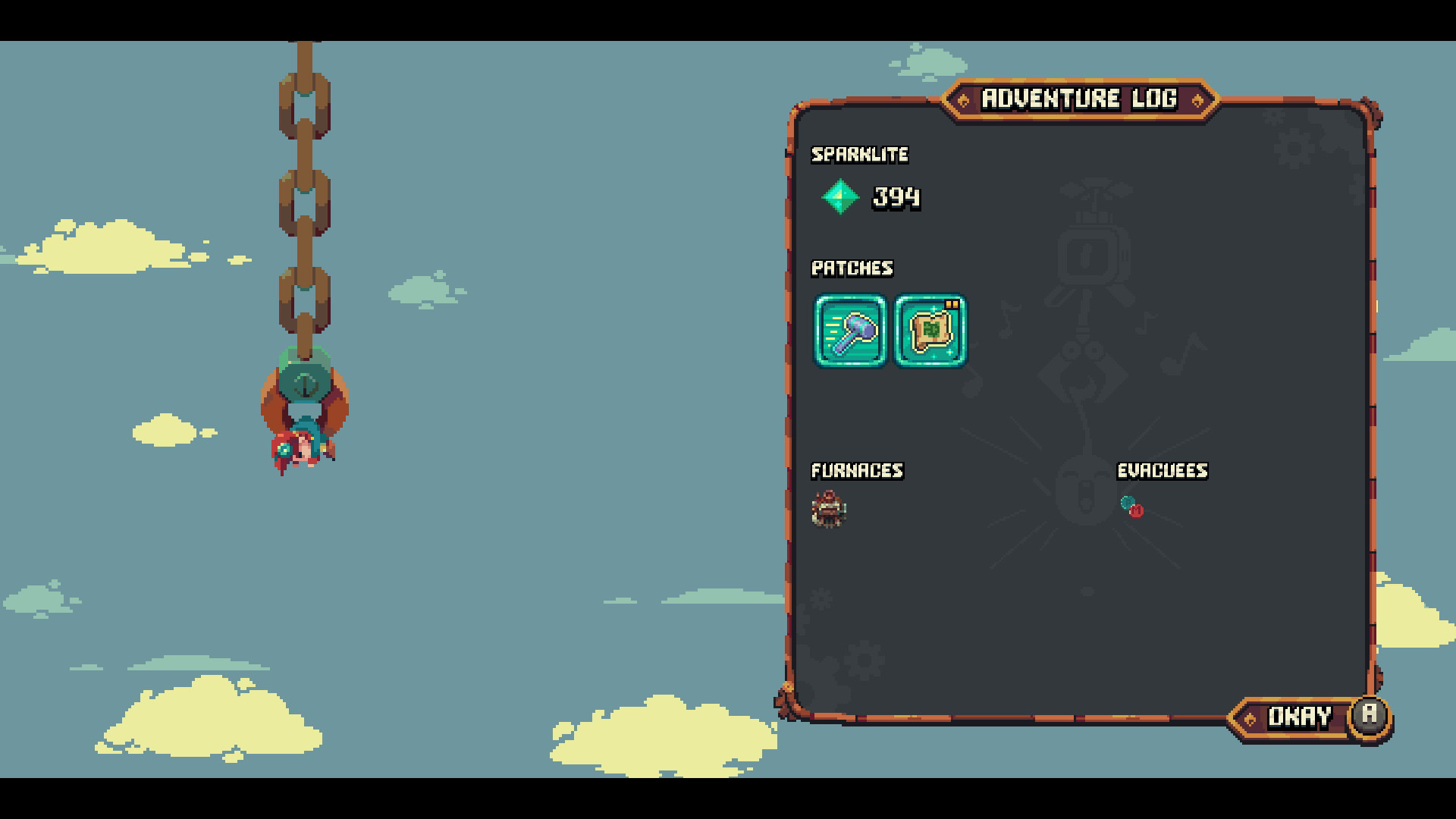
Sparklite
Spatial, Tetris on a 3×3 grid
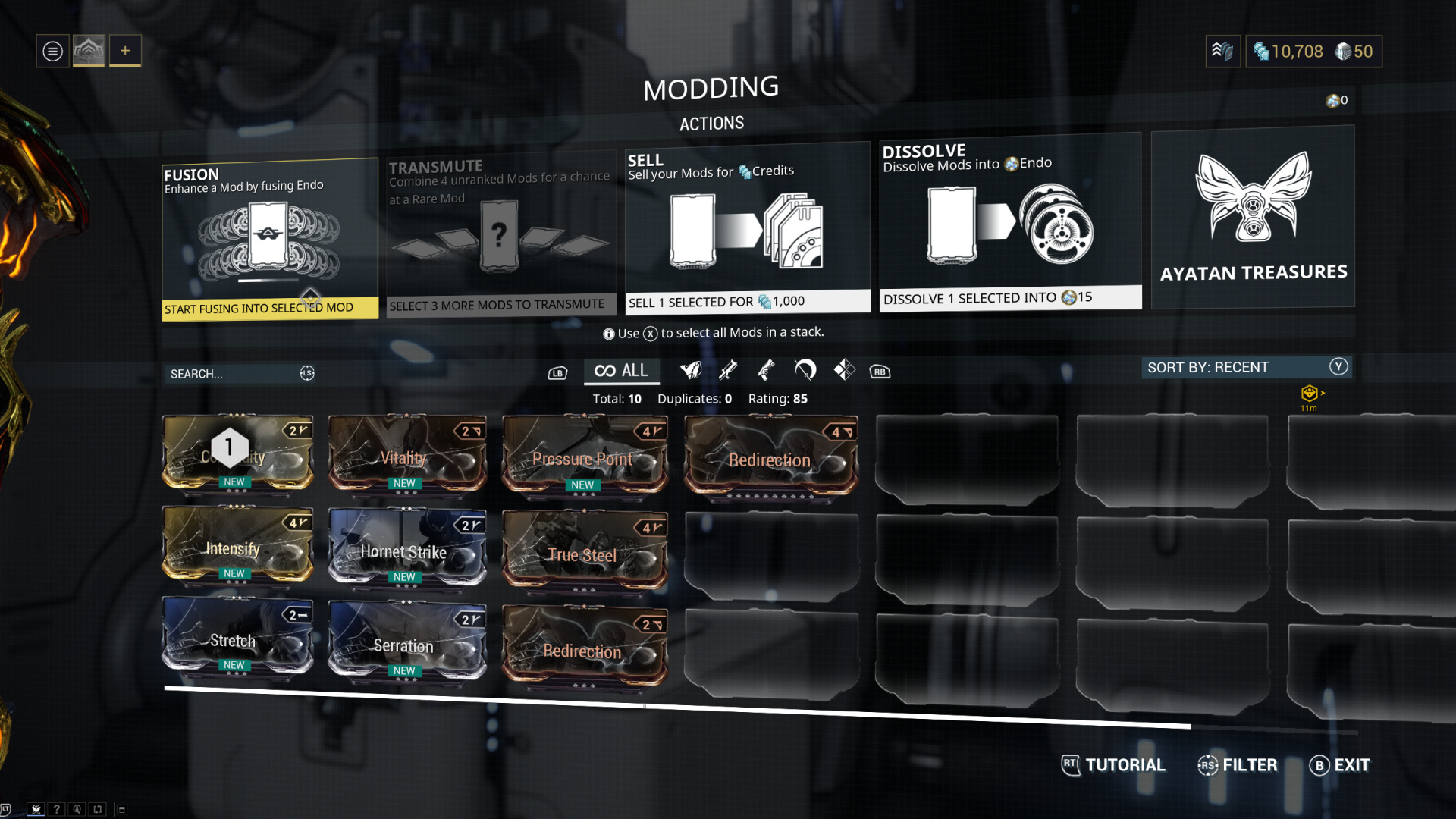
Warframe
Numeric, 60 mod points + polarities
Slay the Spire
Combinatorial, energy + thin deck
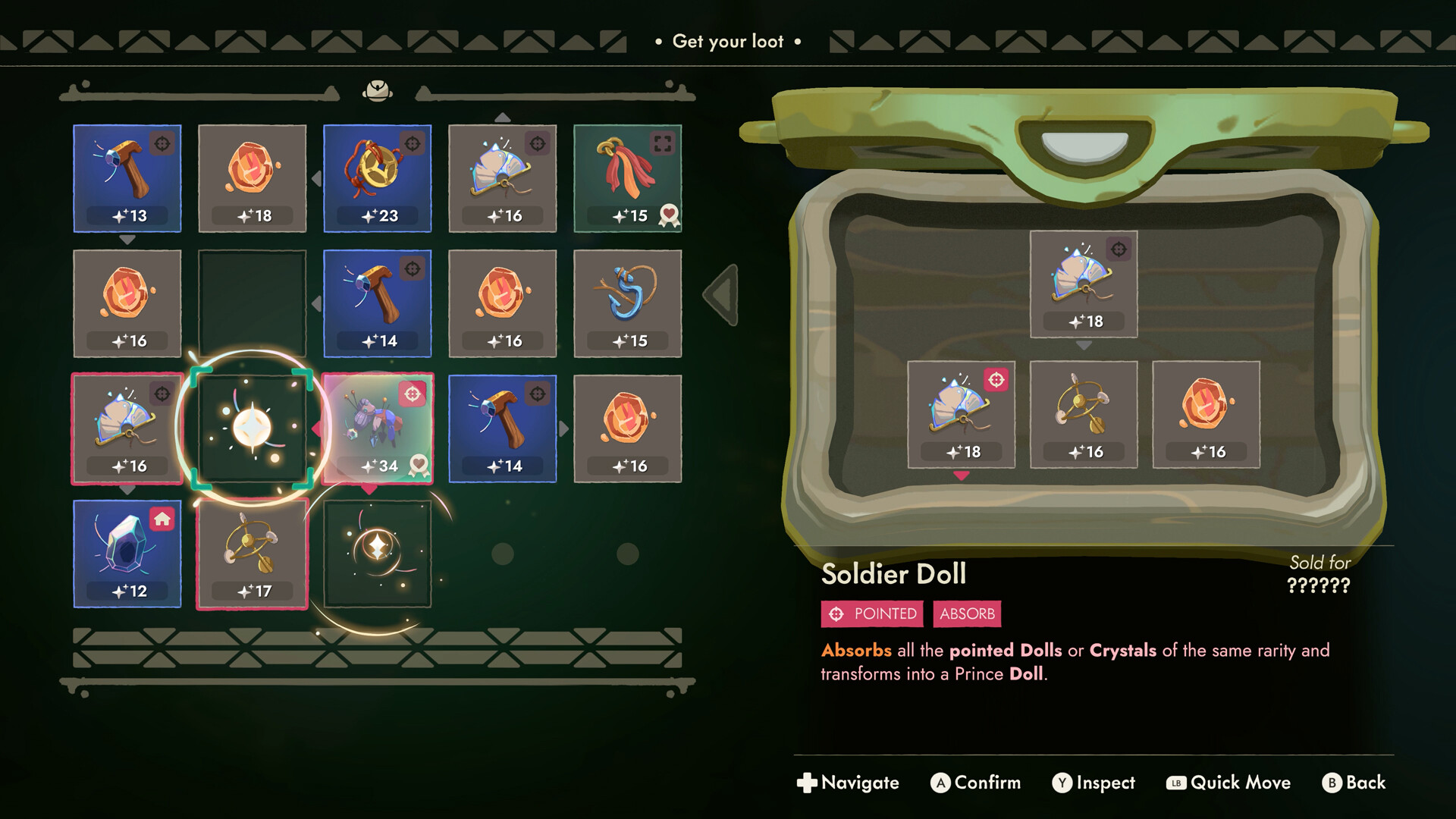
Moonlighter 2
Adjacency, placement triggers synergies
Path of Exile
Massive, 1500 nodes shared across classes
→ Read the curated breakdown: Loadout as budget
Pattern-first pages with cross-game contrast tables. Each one shows how multiple games solve the same design problem differently, and what the trade-offs are.
Bonus with drawback
Game-defining items pair real upside with real cost. Forces commitment, not collection.
Bounded roguelite
A roguelite that ends. Real campaign, real credits, ~20–40 hour arc.
Branching DAG map
Partial-info graph of node types. Player picks the run's shape before the first encounter.
Fusion economy
Multiple low-tier items consolidate into one higher-tier item. The release valve for grid clog.
Grid inventory
Items live on an explicit 2D grid. Where you place them, not just how many, determines value.
Handcrafted-PCG hybrid
Author content units (rooms, tiles, encounters); randomize the layout. The modern roguelite default.
Loadout as budget
Power lives inside a fixed budget, points, cells, slots, hand size. Adding more of one means having less of another.
Meta as variety, not power
Unlock options, never raise base stats. Each new run is more interesting, not easier.
Opportunity-cost loadout
Every loadout choice forecloses other choices. The forecast is forced.
Vision-driven iteration
Balance decisions driven by stated philosophy vs. by player metrics. PoE vs. Slay the Spire.
Every game has a snapshot (genre, iconic mechanic, core dialectic), a macro loop diagram, mechanic deep-dives, design tensions with dev quotes when available, and a lessons page on what's worth stealing for my own Godot games.
When two or more games end up using the same design move, it earns a curated concept page with a cross-game contrast table.
The about page is a quieter overview. Source on GitHub, MIT licence.